
Manufacturing has always depended on consistency, speed, and quality. But in today’s automotive environment, where vehicles include more electronics, more high-voltage systems, more thermal management components, and tighter packaging constraints than ever before, those expectations have intensified.
Manufacturers are now being asked to build increasingly complex products while simultaneously reducing recalls, improving traceability, protecting workers, and controlling costs. That combination is driving renewed interest in a once-niche concept: assembly confirmation.
What began as a way to verify fastener installation is rapidly becoming a broader quality strategy across the vehicle.
Traditional Inspection Is No Longer Enough
Historically, manufacturers relied on torque checks, manual inspections, audits, or end-of-line testing to validate assembly quality. Those methods still have a role, but they often identify issues only after the part has already moved downstream. That delay can be expensive.
If a defect is caught later in the assembly process, it may require disassembly and rework. If discovered at the dealership level, costs rise significantly. If the issue reaches the customer, the result could be warranty claims, recalls, or reputational damage. Modern manufacturers increasingly want a proactive quality gate instead of a reactive repair process.
Assembly confirmation systems address this challenge by validating that a component has been properly installed immediately during assembly.
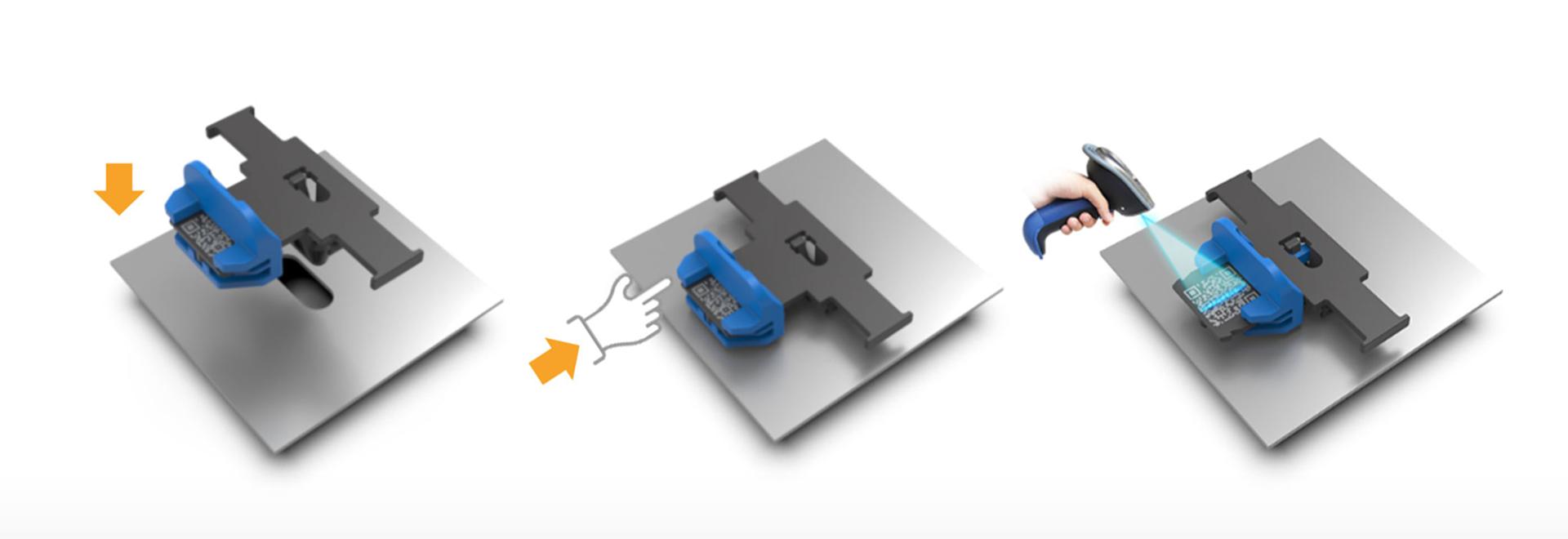
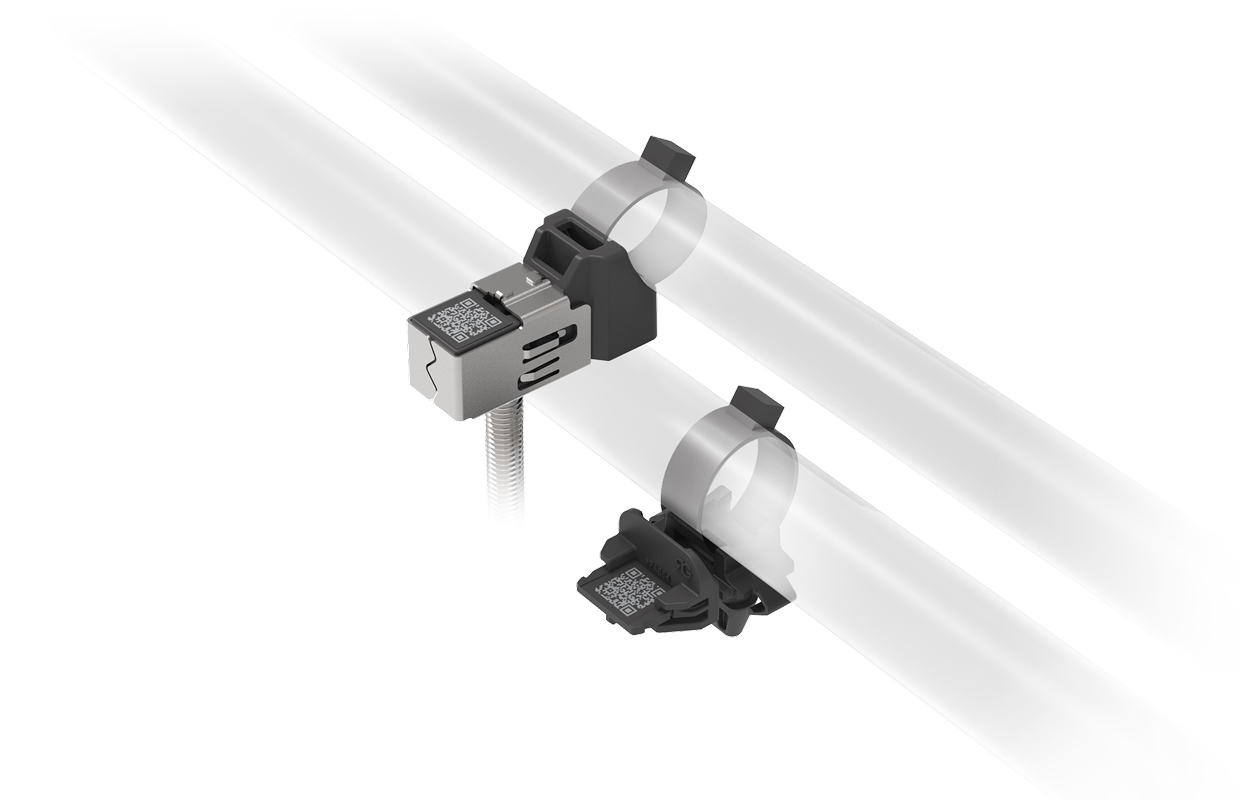
At ARaymond, one approach uses laser-engraved scannable codes integrated into fastening or retention solutions. The code remains hidden until the component is correctly installed. Once the proper insertion or locking action is completed, the code becomes visible and can be scanned using standard vision equipment.
If the part is not correctly installed, the code cannot be read. That means the issue is identified instantly, before the vehicle moves further down the line.
Why EVs Are Accelerating Demand
The transition to electrified vehicles has created new urgency around assembly confirmation. EV platforms often contain more critical mounting and routing points than conventional vehicles, including:
- High-voltage cable management
- Battery interfaces
- Busbars and flat cable holders
- Fluid and cooling lines
- Safety-related electrical connections
These systems must be properly secured, correctly positioned, and protected from movement, vibration, or interference. As electrified architectures become more complex, manufacturers are placing greater emphasis on confirming every critical connection.
Better Traceability, Smarter Quality Management
Assembly confirmation also creates actionable production data.
With unique part-level identifiers, manufacturers can know exactly when a component was installed, where it was installed, and on which unit. That improves process visibility and can help narrow the scope of investigations if a future quality issue arises. Instead of broad assumptions, manufacturers can make faster, data-driven decisions.
Quality improvements should also make jobs easier. Traditional bolted processes often involve tools, torque steps, and repetitive physical motion. Confirmation-enabled clip systems can simplify installation to a push, validate, and scan sequence. That can reduce operator strain, lower mental workload, simplify training, and improve consistency across shifts.
Reducing waste is another advantage, and something ARaymond keeps top of mind with all of its product offerings. Every avoided defect means less scrap, less rework, less replacement material, and less wasted labor. In some applications, components may also incorporate recycled or bio-based materials. In that sense, better assembly quality and sustainability goals increasingly support one another.
The Next Standard in Manufacturing
Assembly confirmation was once seen as an innovation for selected fastening applications. Today, it is becoming a practical strategy for full-system quality management.
As manufacturers continue pursuing zero-defect production, digital traceability, and safer electrified platforms, confirmation systems are poised to become standard practice across critical interfaces. The future of manufacturing will not simply be faster. It will be smarter, more traceable, and increasingly self-verifying.

Manuel Martinez
Technical Sales Engineer US, ARaymond


